Mitsui Fudosan plans its biggest-ever overhaul of LazonA Kawasaki Plaza
Twenty years after it opened, Kawasaki's biggest suburban mall is entering a four-and-a-half-year renovation that trades some apparel floor for food and beauty — a bet that experience beats selection in drawing commuters back.
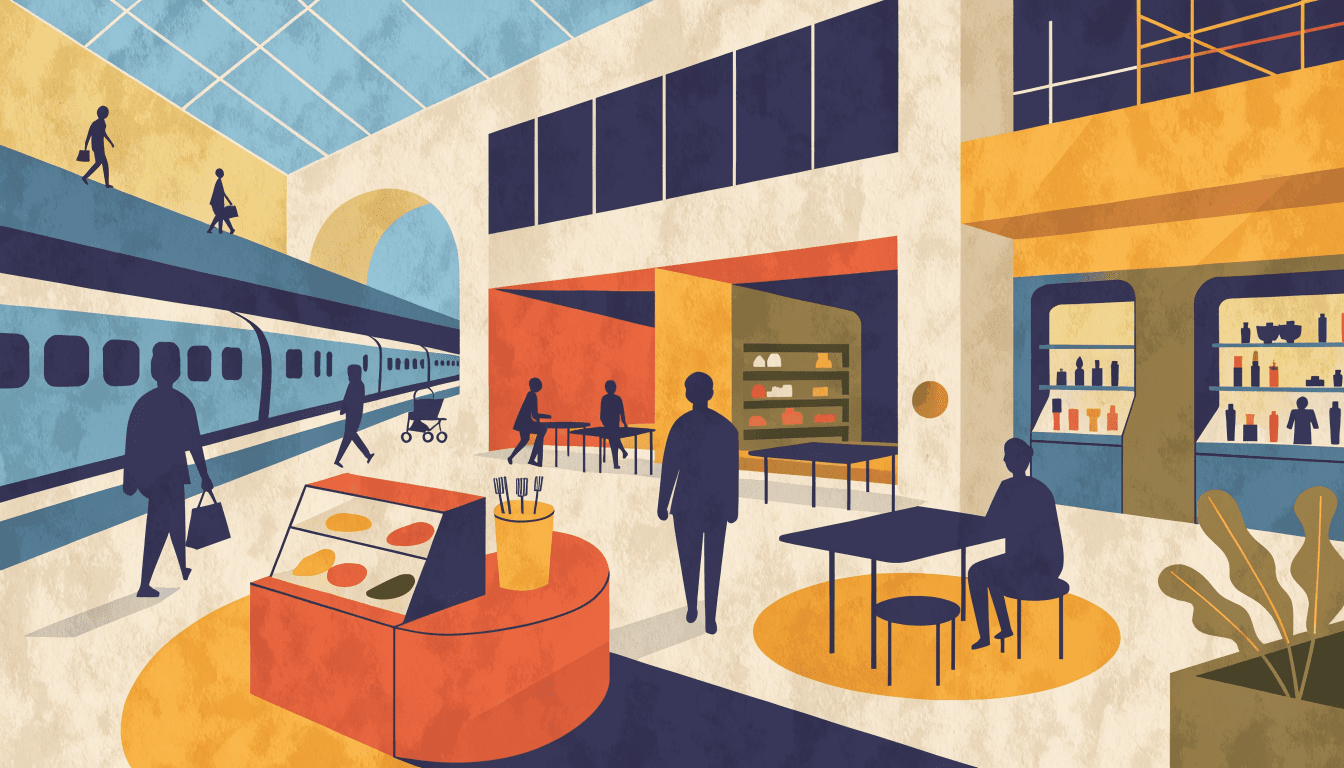
Mitsui Fudosan will carry out what it describes as the largest renewal in the 20-year history of Mitsui Shopping Park LazonA Kawasaki Plaza, the developer said in a statement on 22 July, timed to the mall's 20th anniversary since it opened in Kanagawa Prefecture in 2006.
LazonA Kawasaki is one of Mitsui's marquee suburban properties: about 172,000 square metres of total floor space, some 79,000 square metres of it retail, spread across roughly 330 shops with parking for around 2,000 cars, according to the company.
A four-phase rebuild
The work runs in stages through spring 2029 under a concept the company calls "Culture Mash up," aimed at recasting the mall as a hub for fashion, entertainment, sport and art rather than a straight shopping centre. Construction starts in October 2026 with the west mall closing; the west mall and the second-floor station-side mall are due back by summer 2027; the food court reopens in December 2027; and the east mall follows in autumn 2028, with the full renewal complete the following spring.
The food court gets the clearest expansion: Mitsui Fudosan plans to grow it from 15 restaurants to 21, with seating up from about 800 to roughly 1,200. The second-floor station-side mall, meanwhile, is being redesigned as a dedicated cosmetics and fragrance area — floor space that plainly used to sell something else. Ten food tenants, including a sushi restaurant, a yakiniku chain and a McDonald's, are opening in the meantime between June and September this year, ahead of the main works.
The reallocation says more than the anniversary framing does. A suburban shopping centre built for apparel-led footfall is handing floor space to food and beauty — the two categories that pull repeat, non-discretionary visits regardless of how much people are spending on clothes. It is the same logic Tokyo's department stores have leaned on for their own beauty-floor rebuilds, applied here to a mall built around a train station rather than a prestige address. The bet only pays off once four-plus years of construction noise are behind it.